Have you noticed a little pink in the sink when you brush or floss? Bleeding gums are one of the most common dental concerns we see, and while they’re easy to brush off (sometimes literally), they’re often the first sign that your gums need some attention. The reassuring news is that in the early stages, gum problems are very treatable and often completely reversible.
At Sherwood Smiles, we help families across Sherwood, Brisbane keep their gums healthy and catch problems early. Here’s a friendly, thorough guide to why gums bleed, how gum disease develops, what you can do at home, and when it’s time to book a visit.
Why Are My Gums Bleeding?
Healthy gums are firm, pale pink, and they don’t bleed during normal brushing or flossing. So when you see blood, it’s usually a sign that something has irritated or inflamed the gum tissue.
By far the most common cause is a build-up of plaque along the gum line. Plaque is a sticky film of bacteria that forms on your teeth every day. When it isn’t cleaned away thoroughly, it irritates the gums and makes them tender, swollen and prone to bleeding. If plaque is left to harden, it turns into tartar, a rough deposit that only a dental professional can remove and that gives even more bacteria a place to gather.
There are also other reasons gums can bleed. Brushing too hard or using a firm-bristled toothbrush can damage the delicate gum tissue. Starting a new flossing routine can cause a little bleeding at first, which usually settles within a week or two. Hormonal changes during pregnancy can make gums more sensitive, and certain medications or health conditions can play a role too. Whatever the cause, gums that bleed regularly are worth paying attention to rather than ignoring.
Understanding Gum Disease
When bleeding gums are caused by plaque, they’re often showing the earliest stage of gum disease. Gum disease develops in stages, and understanding them helps explain why acting early matters so much.
The first stage is gingivitis. This is inflammation of the gums caused by plaque, and its signs include redness, swelling, tenderness and bleeding. The important thing to know about gingivitis is that it’s usually reversible. With good cleaning at home and a professional clean, the gums can return to full health, and no lasting damage is done.
If gingivitis is left untreated, it can progress to periodontitis. At this stage the inflammation spreads deeper, affecting the tissues and bone that support your teeth. Small pockets can form between the teeth and gums, trapping more bacteria, and over time the supporting bone can be lost. Periodontitis is a more serious condition, and while it can be managed and stabilised, the damage it causes cannot always be undone. In advanced cases it’s one of the leading causes of tooth loss in adults.
That progression is exactly why bleeding gums are worth taking seriously. Catching the problem at the gingivitis stage is straightforward, comfortable and effective. Leaving it can allow a small, reversible issue to become a lasting one.
The Signs to Watch For
Gum disease can be quite gentle in its early stages, which is part of what makes it easy to miss. Beyond bleeding, the signs to keep an eye out for include:
- Red, swollen or tender gums
- Gums that bleed when brushing or flossing
- Persistent bad breath or a bad taste in the mouth
- Gums that look like they’re pulling away from the teeth
- Teeth that feel loose or seem to be shifting
- Sensitivity, particularly around the gum line
If you notice any of these, it’s worth having your gums checked. Many people are surprised to learn they have gum disease, because it often develops without any real pain until it’s more advanced.
Caring for Your Gums at Home
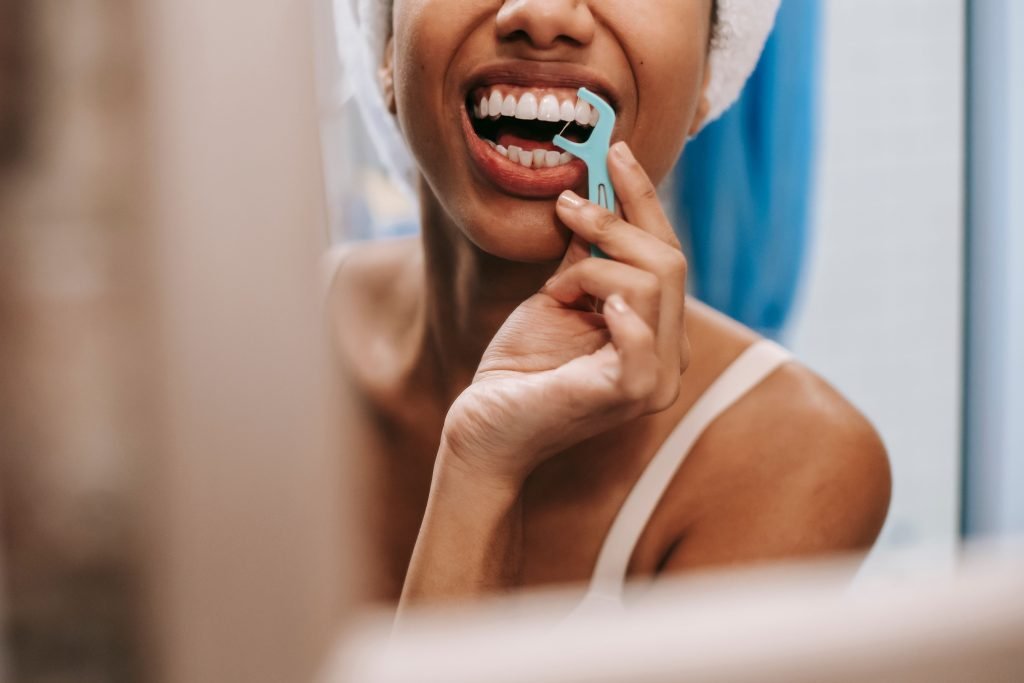
The foundation of healthy gums is a good daily routine, and the great news is that it’s simple. These habits make the biggest difference:
- Brush twice a day with a soft-bristled toothbrush and fluoride toothpaste, taking care to clean gently along the gum line.
- Floss once a day to remove plaque and food from between your teeth, where a toothbrush can’t reach. If traditional floss is tricky, interdental brushes are a great alternative.
- Be gentle. Scrubbing harder doesn’t clean better, and it can actually damage your gums. A soft brush and a light touch are far kinder and just as effective.
- Don’t stop brushing an area because it bleeds. It can feel counterintuitive, but gently cleaning inflamed gums is part of helping them heal. If bleeding continues beyond a couple of weeks, see your dentist.
- Eat well and stay hydrated. A balanced diet and plenty of water support healthy gums, while frequent sugary snacks feed the bacteria that cause problems.
- Avoid smoking. Smoking is a major risk factor for gum disease and can also mask the signs by reducing bleeding, which allows problems to progress unnoticed.
A good home routine keeps plaque under control, but it can’t remove hardened tartar or clean deep below the gum line. That’s where professional care comes in.
How We Treat Bleeding Gums and Gum Disease
When you come in with bleeding gums, our first step is to understand what’s happening. We’ll examine your gums, check for any pockets forming between the teeth and gums, and often take X-rays to see the health of the supporting bone. This helps us tell the difference between simple gingivitis and something more advanced.
For most people, the answer is a thorough professional clean. Removing the plaque and tartar that daily brushing can’t reach allows inflamed gums to settle and heal. We’ll also show you any spots you might be missing at home, so your daily routine becomes even more effective. For gingivitis, this combination is often all that’s needed to return your gums to health.
If gum disease is more advanced, we may recommend a deeper cleaning treatment to clear bacteria from below the gum line, along with a tailored plan to keep the condition stable. As a QIP accredited practice, we follow strict, high-quality standards at every step, so you can feel confident you’re receiving safe, professional care. Throughout it all, our focus is on gentle treatment and clear explanations, so you always understand what’s happening and why.
Bleeding Gums During Pregnancy
If you’re expecting, you might notice your gums becoming more sensitive or bleeding more easily. This is common enough to have its own name, pregnancy gingivitis, and it happens because hormonal changes make the gums more reactive to plaque. It usually settles after the baby arrives, but it’s still important to keep up your cleaning routine and to mention it at your check-up. Looking after your gums during pregnancy is good for you and part of a healthy start for your baby.
Prevention Is the Best Approach
As with so much in dentistry, prevention is easier and more comfortable than treatment. A consistent home routine of brushing and flossing, combined with regular six-monthly check-ups and cleans, is the most reliable way to keep your gums healthy for life. Those regular visits let us remove tartar, spot early inflammation, and help you stay on top of your gum health before any problems have a chance to take hold.
Healthy gums are the foundation of a healthy smile, and caring for them is one of the simplest, most valuable things you can do for your long-term dental health.
Frequently Asked Questions
Is it normal for gums to bleed a little? Occasional bleeding when you start a new flossing routine is common and usually settles within a week or two. Regular or ongoing bleeding is not normal and is worth having checked.
Can gum disease be reversed? Gingivitis, the early stage, can usually be reversed with good home care and a professional clean. More advanced gum disease can be managed and stabilised, but some damage may be permanent, which is why acting early matters.
Does gum disease hurt? Often it doesn’t, especially in the early stages. That’s why bleeding, redness or swelling are important signs to watch for, even without pain.
How often should I see the dentist for my gums? For most people, a check-up and clean every six months is ideal. We’ll let you know if your gums would benefit from being seen more often.
Look After Your Gums With Sherwood Smiles
If your gums are bleeding, tender or just don’t feel right, we’re here to help you get them healthy again. As a QIP accredited practice, we provide gentle, high-quality care you can trust, right here in Sherwood. We look after families from Sherwood, Graceville, Corinda, Oxley and the wider 4075 area, and we’d be glad to look after yours.
Call us at 07 3379 6881 or book online at www.sherwoodsmiles.com.au. A healthier smile starts with healthy gums.